
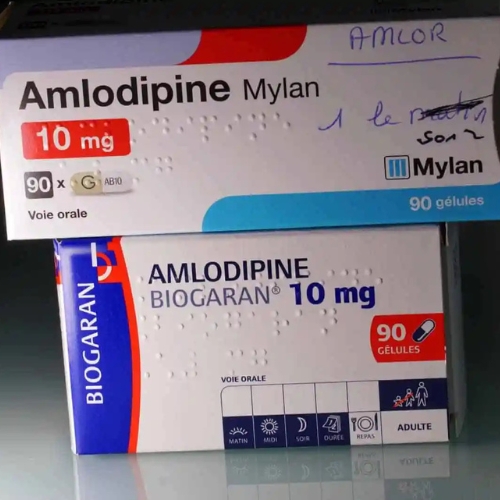
Description
Amlodipine: Uses, Benefits, Side Effects, and Safety Guide
What Does Amlodipine Treat?
Amlodipine is usually prescribed by doctors for high blood pressure and some heart-related conditions. It works by relaxing blood vessels, which decreases the resistance the heart has to pump blood against.
Health care providers may also prescribe amlodipine to help treat angina. This condition causes chest pain when the heart muscle is not getting enough oxygen-rich blood. Amlodipine can help improve blood flow and prevent some episodes of chest pain.
But this medication will not help all causes of chest pain. If you experience new, severe, or unexplained chest pain, seek urgent medical attention.
How does amlodipine work?
Amlodipine stops calcium from entering some muscle cells of blood vessel walls. This causes the vessels to relax and widen. It lowers blood pressure and makes the heart work against less resistance.
Plus, amlodipine works slowly and lasts for a long time. Patients usually take it on a regular basis, not for immediate relief from sudden chest pain.
Amlodipine Benefits
If you take the drug amlodipine as directed, it can have several positive effects:
- It helps reduce high blood pressure.
- It relaxes the blood vessels to help blood flow.
- It helps stop some types of angina.
- “It could reduce the risk of complications related to uncontrolled hypertension.
- Its prolonged action allows convenient once-daily dosing for many patients.
But the benefits depend on the patient’s medical condition, treatment plan, and response to the medication.
Amlodipine Common Side Effects
Amlodipine can cause side effects like other prescription medicines. Typical examples are:
- Swelling of ankles or feet
- Dizziness or light-headedness
- Headache.
- Flushing or a feeling of warmth
- Fatigue
- Palpitations
Some side effects may go away as your body adjusts to treatment. If symptoms persist, become troublesome, or worsen, patients should consult their healthcare professional.
Get medical help right away if you have any very serious side effects, including signs of a serious allergic reaction (such as rash, itching, swelling, severe dizziness, trouble breathing), fainting with serious symptoms, or severe or worsening chest pain.
How do I take amlodipine?
Take as directed by your health care provider or follow directions on the prescription label. Many adults take Amlodipine once daily, with or without food. But the right dose depends on individual circumstances, such as age, medical history, other medicines, and response to treatment.
Try to take your medicine around the same time each day. If you miss a dose, follow the directions that came with your prescription or ask your pharmacist what to do. Do not double doses to make up for a missed dose.
Also do not stop taking It’s until you talk to your health care professional about it. If you stop your medicine, your blood pressure may go back up.
Important Safety Info
Tell your healthcare provider about your medical history and all of your medicines and supplements before you start taking It. Furthermore, tell us about any liver problems, heart conditions, or any past reactions to blood pressure medicines.
Some medicines can interfere with amlodipine and affect how much amlodipine is in your body. So get a pharmacist or doctor to review your medication list.
Also watch your blood pressure as suggested, eat a healthy diet, exercise when possible, and reduce excessive salt. These healthy habits can help with your treatment plan.
Common questions about amlodipine
1. What is amlodipine for?
It is a commonly prescribed drug for the treatment of high blood pressure and prevention of certain types of angina.
2. How fast does amlodipine work?
The medicine starts to work as soon as you take it, but it can take a few days to a couple of weeks to get its full blood pressure-lowering effect. Follow the advice of your clinician and continue to check your blood pressure.
3. Can I take amlodipine daily?
Yes, many patients take this daily as prescribed. Take it regularly and do not alter your dose without professional advice.
4. Does amlodipine cause swollen ankles?
Yes. A known side effect is swelling of the ankles and feet. Call your health care professional if you have swelling that occurs, continues, or gets worse.
5. Can I stop taking amlodipine when my blood pressure is better?
Do not stop the treatment on your own. Even when you feel well, your blood pressure may rise again. Inform your healthcare professional of any changes.
Summary
It is a popular medication that helps to control high blood pressure and some types of chest pain. It relaxes blood vessels, can improve blood flow, and when used properly, it can support long-term cardiovascular health.
Charlotte Thompson –
I’ve used Care Rx Direct a few times now, and I’ve always had a great experience. Fast delivery and excellent customer service.