
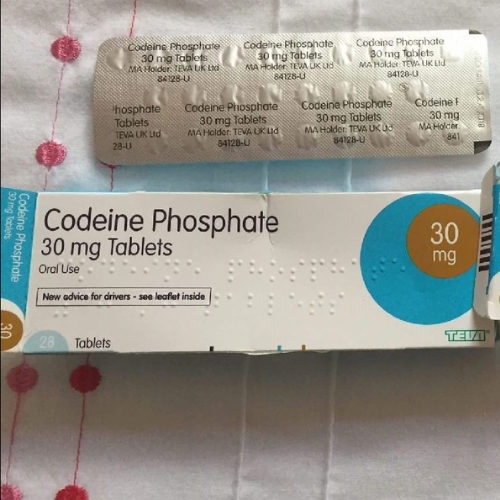
Description
What Is Codeine?
Codeine is a type of opioid medication doctors use to manage certain kinds of pain. It is also prescribed by healthcare professionals for some cough-related conditions. It alters the way the brain and nervous system react to pain. When used for a cough, it reduces activity in the part of the brain that makes you cough.
But Codeine isn’t for everyone. It can cause drowsiness, constipation, breathing problems, and addiction. This medication should be taken only by patients under proper medical supervision and in accordance with the directions given to them by their health care professional.
The US Food and Drug Administration (FDA) states that codeine is used for the treatment of mild to moderately severe pain and may be used in some medicines to relieve coughing. Availability and approved uses vary by local regulations and specific medicine.
## Uses of Codeine Codeine is used to treat mild to moderate pain. It is also used to suppress coughs (to stop a cough).
Codeine is used mostly to relieve some symptoms that a health care professional thinks should be treated.
1. Handling Pain
Codeine may be prescribed by doctors for certain kinds of pain, such as pain following an injury or surgical procedure. It alters how the nervous system interprets pain signals, which can make the pain more tolerable.
But usually doctors consider the reason and the amount of pain before suggesting an opioid medicine. They might also use non-opioid treatments when those options are appropriate.
2. Aids in Cough Relief
Some prescription cough medicines have codeine in them. It does this job by reducing activity in the brain’s cough-control center.
But not every cough calls for an opioid medicine. You can have a cough due to infection, allergies, asthma or another condition. Patients should therefore seek appropriate medical advice and not treat themselves for an unexplained or persistent cough.
3. Immediate Symptom Relief
Healthcare professionals consider several factors before deciding to prescribe Codeine. These factors can be the patient’s symptoms and medical history, other medications, and potential risks.
The medicine may help some patients, but it does not treat every underlying cause of pain or coughing. So a doctor may suggest further investigation or other treatment if needed.
How Does Codeine Work?
Codeine is a member of the class of drugs known as opioids. After the body processes the medicine, the active effects of the medicine on opioid receptors related to the perception of pain occur.
Consequently, patients experience less pain. When used for this purpose, the medication can also decrease the activity that causes the cough reflex.
But the body processes codeine in different ways for different people. This difference can affect both how codeine works and the risk of side effects.
For this reason, patients should never take the medicine more often or at an increased dose than prescribed. “Following professional instructions reduces avoidable risks.
potential benefits of codeine
Codeine can offer several medical benefits when prescribed correctly.
It can also help ease some types of pain that would otherwise require treatment with opioids. Second, some prescribed medications may help alleviate some cough symptoms. Third, effective symptom control can make patients more comfortable while they recover from an injury or medical procedure.
But these benefits must be weighed against the risks of the drug.
Codeine is physically addictive, and some patients may develop an opioid use disorder. Additionally, too much use can result in a fatal overdose.
Thus, patients and healthcare professionals should regularly re-evaluate the need for the medicine.
Codeine Side Effects: Common
As with other medicines, codeine can cause side effects. The severity varies from person to person.
Common side effects are
- Constipation;
- Nausea and vomiting
- Feeling tired or drowsy.
- Dizziness.
- Sweat.
For example, codeine may cause drowsiness in a patient. In this case, the patient should not drive, operate machinery, or perform activities requiring full alertness.
Likewise, constipation can be a problem during treatment. Patients should discuss any persistent symptoms with their healthcare professional rather than adding another medicine without guidance.
Although most side effects are manageable, severe symptoms require immediate medical attention.
Possible Risks and Precautions
Serious breathing problems can sometimes occur with codeine, especially if someone takes too much or combines it with certain other substances.
Get emergency medical help if you have slow breathing with long pauses, blue-colored lips, or if you are hard to wake up. These signs can be symptoms of an opioid overdose.
Also, patients should take the following precautions.
NO ALCOHOLIC DRINKS
Codeine can increase the sedative effects of alcohol. Using both can put you at greater risk for dangerous breathing problems and other complications.
So don’t drink alcohol during codeine treatment unless you’ve been advised to do so by a qualified healthcare professional.
Check Other Medications
Codeine may interact with some medicines. These include some sleeping pills, sedatives, other opiates, and drugs affecting the central nervous system.
Before you begin treatment, tell your doctor or pharmacist about all medicines you take including prescription drugs, over-the-counter products, and supplements.
Follow Medical Advice
Take Codeine exactly as directed. Never take more of it, take it more often, or share it with another person.
If you have been regularly taking Codeine for a long period of time, you should consult your healthcare provider before ceasing. To reduce withdrawal symptoms, your doctor may recommend that you gradually stop taking the medicine.
Keep Medicine Secure
Store codeine in its original container and keep it out of the reach of children and other people. Do not give your prescription to another person, even if that person has similar symptoms.
Who should see a doctor before taking codeine?
Not everyone should take codeine. There are some health conditions and risk factors that mean you should not take codeine.
If you suffer from breathing problems, asthma, or other lung conditions; liver or kidney problems; or have a history of substance dependence, talk to a healthcare professional before treatment.
Codeine should not be used during pregnancy or by people who are breastfeeding unless advised by a doctor. The medicine may pose pregnancy risks. Codeine is passed into breast milk and may harm a nursing infant.
In addition, safety restrictions for children depend on the product and country. Do not give Codeine to a child unless a health care professional has told you that the medicine is right for the child.
Codeine—Is It Addictive?
Yes. Repeated or long-term use of codeine can lead to physical dependence.
Physical dependence means your body gets used to the drug. If a person stops taking this medication suddenly (when using regularly), withdrawal symptoms may occur.
Symptoms may include anxiety, agitation, sweating, insomnia, and muscle aches.
But physical dependence is not quite the same thing as addiction. Addiction is a pattern of use that’s difficult to control despite the presence of harmful consequences.
Talk to a healthcare professional if you find that you need to use codeine more often than prescribed, or you find it difficult to cut down. With the right support, you can safely manage your treatment.
Codeine Frequently Asked Questions
1. What is codeine most commonly used for?
Codeine is a painkiller. It is an opiate pain medication. Some prescription formulations are also used for special cough conditions. It is a decision that a health care provider makes for a specific patient.
2. Is codeine a powerful painkiller?
Codeine is used as a pain reliever. The effects vary depending on the formulation, the metabolism of the person, etc. It causes serious side effects, and patients should take their prescription carefully.
3. What are the side effects of Codeine?
Common side effects include constipation, nausea, vomiting, dizziness, sweating, and somnolence. If side effects persist or become troublesome, seek medical advice.
4. Is codeine habit forming?
Yes. Codeine can be addictive and can cause physical dependence. The risk depends on several things, including how it is used and for how long. Follow the directions for use and get help if you’re concerned about your use.
5. Can I drink alcohol while on Codeine?
Alcohol may increase the sedative effects of codeine and the risk of serious breathing problems. Do not drink alcohol while taking this medicine.
6. What will happen if I take too much codeine?
Overdose can be fatal. If you think you or someone else may have overdosed on this substance, call 911 or get emergency medical help right away. Call the Poison Help line at 1-800-222-1222. Don’t wait for your symptoms to worsen.
7. Can I take codeine?
No. It can be affected by some medical conditions, other medicines, pregnancy, breastfeeding, and age restrictions. A qualified healthcare professional should evaluate if codeine is appropriate.
Summary
Codeine can be used to control some types of pain. In some cases, it can also be used to control cough symptoms. But it is an opioid medicine that should be used with caution because it can cause side effects, dependence, and potentially life-threatening breathing problems.




Hannah Scott, Dallas, TX –
Ordering my medication was quick and easy. I had no issues, and my order arrived as expected. I will definitely use them again.
Andrew Merrill (verified owner) –
Your UK to UK shipping service is very high.
Amra Buljko (verified owner) –
I was very confused but you reassured me and understood my concerns and helped me get the order to me.
Pearl Bay (verified owner) –
Thank you for delivering my order. I will be in touch with you again in the future.
Chris Jones (verified owner) –
Thank you for answering my questions correctly and delivering my order to me.
Klaus Faber (verified owner) –
Thank you for answering my questions correctly and delivering my order to me.
Antje Sankt (verified owner) –
I am very happy with your service and I will tell people to buy your products from here.
Lorenzo Roundy (verified owner) –
I am 100% satisfied with your service.
Ralf Brummer (verified owner) –
Thank you for answering my questions correctly and delivering my order to me.
Felix Gerste (verified owner) –
Thank you for answering my questions correctly and delivering my order to me.
John Midyette (verified owner) –
Thank you for answering my questions correctly and delivering my order to me.
Christian Leyva (verified owner) –
I was very disappointed before, but when I came to your website, I found more hope and comfort in you.
Shari Weiss (verified owner) –
Your overnight shipping is very high.