
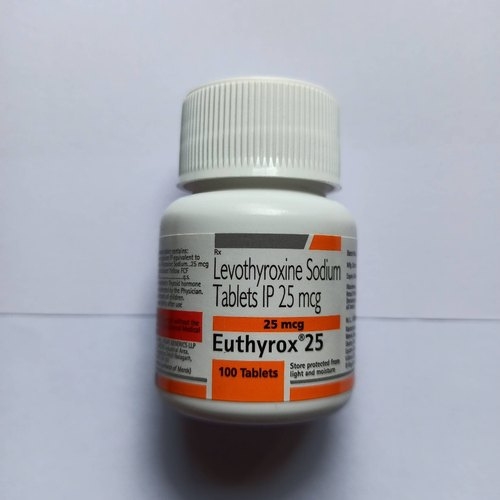
Description
Levothyroxine: What It Is, Uses, Benefits, Dosage & Safety Guide
What Is Levothyroxine?
Levothyroxine is a synthetic version of thyroxine, or T4, a hormone that is produced by the thyroid gland. Some T4 is also converted into T3, another thyroid hormone that helps the body work properly.
Doctors often prescribe this medicine when the thyroid gland is unable to produce sufficient hormones. It may also be used by some patients after thyroid surgery or for certain thyroid conditions.
Levothyroxine can improve thyroid hormone levels, but it is not a general weight-loss medicine. Hence, people should not use it for weight management unless there is a medical condition that has been identified and is being treated by a doctor.
Levothyroxine: Used For
Doctors prescribe levothyroxine for several medical conditions involving the thyroid gland.
1. Hypothyroidism treatment
Doctors may first prescribe levothyroxine to replace the missing thyroid hormone. This treatment may help improve symptoms such as fatigue, cold sensitivity, and constipation caused by an underactive thyroid.
2. Post-surgery thyroid hormone replacement
And then some patients need hormone replacement after surgery that removes part or all of the thyroid gland. Their health care provider decides if they need ongoing treatment.
3. A few thyroid cancer treatment protocols
In some patients, specialists may recommend thyroid hormone therapy following treatment for thyroid cancer. The dose and targets of treatment depend on the diagnosis and medical history of the patient.
4. Thyroid disorders (selected)
In certain circumstances, physicians prescribe levothyroxine as part of a more comprehensive treatment regimen for some thyroid conditions. However, it is not suitable for all thyroid conditions, and a correct diagnosis is essential.
Levothyroxine Benefits
If a healthcare professional prescribes the correct dose, levothyroxine can help restore thyroid hormone levels to the desired range.
Proper treatment can also help to alleviate symptoms like low energy, feeling cold more than usual, constipation, and difficulty concentrating. It can also help normal metabolism and other functions affected by a lack of thyroid hormone.
But the benefits don’t usually manifest immediately. Some patients will start to see results in a few weeks, while other symptoms can take longer to clear up. Blood tests , such as measuring thyroid-stimulating hormone (TSH) levels , are often done to monitor the response to treatment and to see if the dose needs to be adjusted.
Possible side effects
Levothyroxine is well tolerated in general, provided the right dose is given to the patient. But side effects can occur—especially if the dose is too high.
Signs of too much thyroid hormone replacement may include:
- Fast or irregular heartbeat
- Fear or nervousness
- Tremors or shaking
- More sweating
- Trouble sleeping
- Feeling uncommonly hot
- Weight loss, unexplained
In addition, long-term overtreatment may increase the risk of bone loss and some heart problems. Therefore, patients should attend recommended follow-up appointments and have blood tests for thyroid.
Call your healthcare provider or get medical help right away if you have chest pain or severe trouble breathing or a serious or persistent irregular heartbeat.
Precautions and Drug Interactions
Tell your healthcare professional before you start taking levothyroxine if you have a medical history, have allergies, are pregnant, or take any medicines or supplements.
For example, people with heart disease may need careful dose selection and monitoring. Similarly, patients with adrenal insufficiency require proper evaluation and treatment before initiating thyroid hormone replacement.
Certain medications may also interfere with levothyroxine absorption or thyroid hormone requirements. These include some antacids, calcium products, iron supplements, and some cholesterol-lowering medicines.
Pregnant patients should contact their healthcare provider, as thyroid hormone requirements can change during pregnancy. Monitoring regularly helps the clinician to decide if the dose is still the right one.
FREQUENTLY ASKED QUESTIONS (FAQs)
What is the use of levothyroxine?
Levothyroxine is used mainly to treat hypothyroidism (an underactive thyroid). It replaces thyroid hormone that the body does not make in sufficient quantity.
How quickly does levothyroxine work?
It can take a few weeks for thyroid hormone levels and symptoms to improve. But the timing for each patient is different, and doctors may need to do follow-up blood tests before changing treatment.
Can I eat food with levothyroxine?
This is often recommended by healthcare professionals to be taken on an empty stomach for 30 to 60 minutes before breakfast to ensure consistent absorption.
**Can you get thin on levothyroxine?**
Weight changes due to untreated hypothyroidism can be reversed with treatment. But levothyroxine is not designed to help people with normal thyroid function lose weight.
Do I need regular blood tests?
Yes. Doctors will often check TSH levels, and other thyroid hormone levels when appropriate, to see how well the treatment is working and whether the dose needs to be changed.
Summary
Levothyroxine is an important prescription drug for people who need thyroid hormone replacement. Properly used, it can help bring hormone levels back into balance and treat symptoms related to hypothyroidism. However, patients need to follow their prescription directions, avoid interactions with foods and supplements, and attend regular monitoring appointments.
Natalie Martinez –
I’ve ordered from this pharmacy multiple times, and every time, they’ve been reliable. My prescriptions always arrive quickly.