
Description
Introduction to this research
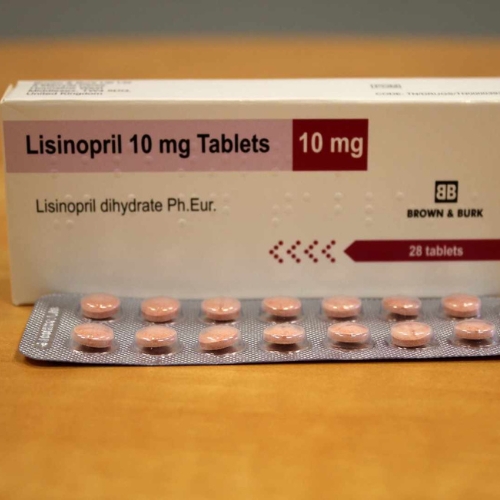
Lisinopril is a prescription medicine that is used to treat high blood pressure and some heart conditions. It is in a class of drugs called angiotensin-converting-enzyme (ACE) inhibitors. It works by relaxing the blood vessels so that the blood can flow more easily and the heart does not have to work as hard.
High blood pressure often does not have any noticeable signs. But if you do not treat high blood pressure, it can lead to serious health problems such as heart disease, stroke, and kidney damage. Hence, it is important to have proper treatment and regular medical checkups for maintaining good health. Lisinopril, when prescribed by a healthcare professional for the appropriate condition, can help control blood pressure.
What is lisinopril used to treat?
Doctors prescribe lisinopril for various medical conditions. The principal uses are as follows.
1. Controlling High Blood Pressure
Lisinopril is mainly used to treat hypertension, which is also known as high blood pressure. It relaxes blood vessels so that blood can flow more easily around the body.
This means the heart does not have to work so hard to pump the blood. Furthermore, controlling high blood pressure may help reduce the risk of complications that are associated with hypertension.
2. Help with heart failure treatment
Lisinopril may be used together with other medicines to help treat heart failure. This condition is when the heart cannot pump blood as well as the body needs.
Lisinopril can relax blood vessels and lower blood pressure, which may decrease the workload on the heart somewhat. But patients must follow their treatment plan as heart failure usually requires ongoing medical attention.
3. After a Heart Attack Treatment
After a heart attack, doctors may prescribe lisinopril to help a person survive and help the heart work better. Doctors will decide whether this medication is appropriate for a patient based on their medical condition and other treatments.
4. Diseases of the Kidneys
Doctors may also use lisinopril in some patients with kidney problems due to diabetes. But kidney function should be closely monitored because this medicine can affect both kidney function and potassium levels in some people.
How Does Lisinopril Work?
It works by blocking the action of an enzyme involved in the production of angiotensin II, a substance that constricts blood vessels.
Blocking this action dilates and relaxes blood vessels. This causes blood pressure to drop and makes it easier for the heart to pump blood.
Also, regular use as directed can help control high blood pressure over time. But lisinopril does not cure hypertension. Patients should continue to take their medication as directed by their healthcare professional, even if they feel well.
How to Use Lisinopril?
Follow the instructions of your healthcare professional when taking lisinopril. The right dose depends on what you are treating, how the patient responds, kidney function, and other medical things.
Here are some general safety tips to keep in mind:
- Take your medication at the same time every day.
- Use as directed on your prescription label.
- Do not increase or reduce the dose without advice from a doctor.
- If your blood pressure improves, continue to take the medicine.
- Attend all recommended appointments for blood pressure checks and blood tests.
If you miss a dose, follow the instructions that come with your medication. As a general rule, you should skip a missed dose if your next dose is due soon. Never take a double dose to make up for a missed dose.
Lisinopril Side Effects Common
Lisinopril can cause side effects like all prescription medicines. But not all of them do.
Possible side effects are
- Cough (dry)
- Dizziness or light-headedness
- Headache.
- Nausea
- Diarrhea
- Weakness or tiredness
Some people get dizzy when they start treatment or when their healthcare provider increases the dose. So if you feel lightheaded, get up slowly from sitting or lying down.
Tell your doctor or pharmacist immediately if side effects continue or get worse. They may review your symptoms and determine whether your treatment needs changing. Do not change the dose without consulting your doctor.
Important Safety Information for Lisinopril
Although lisinopril is used to treat various health issues, patients should also be aware of its possible risks.
Pregnancy: Lisinopril may cause harm to an unborn baby. Do not use when pregnant. If you are pregnant and take this medication, contact your healthcare professional right away.
Kidney problems. Tell your doctor if you have kidney disease or a history of kidney problems. Your doctor may order blood tests to check your kidney function.
Potassium: Lisinopril can increase the level of potassium in the blood. So, check with your healthcare professional before using potassium supplements or salt substitutes that contain potassium.
Other medicines: Some drugs can interact with lisinopril. They include ibuprofen, naproxen, some blood pressure medications, and potassium supplements. Tell your doctor and pharmacist about all the prescription medicines, non-prescription medicines, vitamins, and supplements you are taking.
Dehydration. If you have vomiting or diarrhea , or do not drink enough fluids, you are more likely to have low blood pressure and dizziness while taking this medicine. If you become severely dehydrated, see a doctor.
When Should You Call Emergency Medical Services?
If you experience swelling of the face, lips, tongue, or throat, or difficulty breathing or swallowing, seek emergency medical attention. These symptoms can be signs of a serious allergic reaction called angioedema.
Severe weakness, fainting or other serious symptoms should also be medically evaluated promptly.
Lifestyle Tips for Improved Blood Pressure Control
Healthy lifestyle habits can help manage blood pressure along with taking prescribed medication.
For example, you could:
- Cut down on too much salt.
- Eat a well-rounded diet consisting of vegetables, fruits, and other nutritious foods.
- Your healthcare professional can tell you how much exercise is right for you.
- Keep a healthy body weight.
- Don’t smoke.
- Keep your blood pressure in check as advised.
Keep your medical appointments so your health care professional can evaluate your progress and adjust your treatment as needed. Lifestyle changes do not replace prescribed medication, but they supplement medical treatment.
Lisinopril FAQ: Common questions about lisinopril
1. What is lisinopril used for?
Lisinopril is mostly used for high blood pressure. It can also be prescribed by doctors for heart failure, after a heart attack, and certain kidney-related conditions.
2. How long does it take for lisinopril to work?
Lisinopril starts to lower blood pressure at the beginning of treatment, but the complete effect of a prescribed treatment plan may take time. Your healthcare professional can tell you what to expect from your dose and your disease.
3. Can I stop lisinopril if my blood pressure is normal?
No. Normal blood pressure readings may indicate that your treatment is working. *Always work with your doctor when altering your medications.
4. What are the most common side effects of lisinopril?
Common side effects include dry cough, dizziness, headache, nausea, and diarrhea. If you have these symptoms and they continue or are bothersome, talk to your healthcare professional.
5. Is Lisinopril safe for all?
No. Lisinopril isn’t for everyone—especially if you’re pregnant. People with kidney problems, a history of angioedema, or some drug interactions may require alternative treatment or extra monitoring.
Summary
Lisinopril is a commonly prescribed drug for high blood pressure and some other heart problems. It relaxes blood vessels, reduces blood pressure, and makes it easier for the heart to pump blood.


William Brown, Seattle, WA –
I’ve been using Care Rx Direct for several months, and I’m always impressed with their quick delivery and great service.