
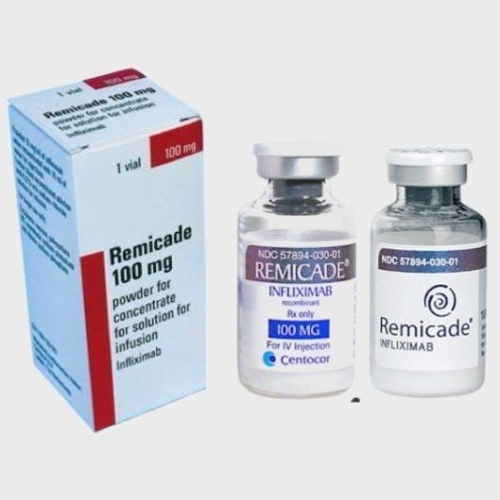
Description
Remicade: Uses, Benefits, Side Effects, and Safety Guide
What is Remicade?
Remicade is a prescription medicine that has infliximab in it. It’s a type of biologic medication called a tumor necrosis factor (TNF) blocker. Doctors may prescribe this drug for certain inflammatory and autoimmune conditions. These conditions can make the immune system produce too much inflammation, which can damage tissues and affect daily life.
Unlike many traditional medicines, Remicade targets a specific protein known as TNF-alpha. This protein is important for the body’s inflammatory response. By blocking its activity, the medicine can help reduce inflammation and improve symptoms in qualifying patients.
What is Remicade used for?
Remicade may be prescribed by healthcare professionals for a range of inflammatory conditions. Approved uses depend on the patient’s age, diagnosis, and local prescribing guidelines.
Such conditions may include:
- Rheumatoid arthritis. This is an autoimmune disease that causes inflammation, pain and stiffness in the joints. Remicade may be used with methotrexate in eligible patients.
- Crohn’s disease: A chronic inflammatory bowel disease that affects the lining of the digestive tract and causes symptoms such as diarrhea, abdominal pain, and weight loss.
- Ulcerative colitis is an inflammatory disease of the colon and rectum.
- Ankylosing spondylitis: An inflammatory disease that mostly affects the spine and nearby joints.
- Psoriatic arthritis An inflammatory arthritis that can occur in people with psoriasis.
- Plaque psoriasis is a skin disease that results in thick, scaly, inflamed patches.
But not all patients with these conditions need Remicade. This is recommended by a healthcare professional after weighing up the severity of the disease, previous treatments, medical history and potential risks.
Side Effects of Remicade
Remicade may cause side effects, like all prescription medicines. Some mild, some needing urgent medical attention.
More common or frequent potential side effects include:
- Headache.
- Nausea
- Pain in the abdomen
- Respiratory tract infections
- Sinus symptom
- Infusion reactions
Infusion reactions can be characterized by itching, flushing, fever, chills, dizziness, or changes in blood pressure Report any symptoms that occur during an infusion to the medical staff immediately.
More importantly, Remicade can raise the risk of serious infections because it affects part of the immune system. Serious but rare risks include tuberculosis, some fungal infections, severe allergic reactions and other complications.
Call emergency services if you have any of the following signs of an allergic reaction: hives, difficulty breathing; swelling of your face, lips, tongue, or throat. If you have a fever that doesn’t go away, unexplained weight loss, or signs of a serious infection, seek medical advice right away.
Safety Precautions of Importance
Before starting Remicade, tell your healthcare professional about your full medical history and all the medicines you take.
Before treatment, your doctor will usually screen you for tuberculosis and hepatitis B. They may also suggest other tests based on individual risk factors.
Tell your clinician if you have an infection that is active right now; a history of repeated infections; problems with your liver; heart failure; nervous system disorders; or if you ever had a serious reaction to a biologic medicine.
Talk about vaccinations before you start treatment. Some live vaccines may not be appropriate while on therapy. Your health care team can tell you what vaccines are appropriate.
Do not take Remicade if you have a serious active infection unless your treating clinician has assessed the situation and recommended an appropriate course of action. Always refer to the product’s official prescribing information or your healthcare professional’s instructions.
Questions about Remicade? Here are some common questions.
1. Is Remicade an Immunosuppressive Drug?
Remicade blocks TNF-alpha. This drug affects the immune system. That means it can reduce how effective the body is at fighting some infections.
2. How long does it take for Remicade to work?
The answer depends on the condition and the individual. This may be achieved within the first few weeks for some patients; for others, this may take longer. Your doctor will watch to see if the medicine works.
3. Is Remicade the Cure for Autoimmune Disease?
No. Remicade helps to control some inflammatory conditions, but it is not a cure. Patients require ongoing medical monitoring.
4. Can Remicade cause serious infections?
Yes. Serious infections are a known risk. Healthcare providers can manage this risk with screening prior to treatment and timely reporting of infection symptoms.
5. Can patients discontinue Remicade when they feel better?
Patients should not stop or change their treatment without consulting their prescribing clinician. The doctor can assess the disease activity and consider the risks and benefits of continuing or changing therapy.
Summary
Remicade is a prescription biologic medicine that helps treat several inflammatory and autoimmune conditions by blocking TNF-alpha. It may reduce inflammation, improve symptoms, and help with disease management in the right patients.”
James Turner –
This pharmacy has been a lifesaver. Fast, reliable, and easy to use. I highly recommend it for anyone looking to order medications online.