
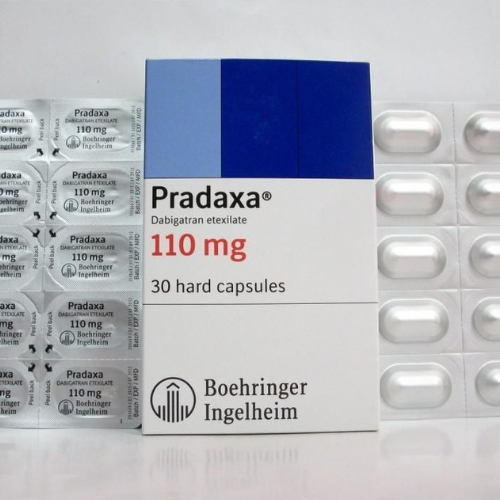
Description
Pradaxa: Uses, Benefits, Side Effects, and Safety Guide
What Is Pradaxa?
Pradaxa is an anticoagulant, often called a blood thinner. It works by blocking thrombin, an important substance involved in blood clot formation. As a result, the medicine reduces the blood’s ability to form certain clots.
Although people commonly use the term “blood thinner,” it does not actually make the blood thinner. Instead, it interferes with the clotting process.
Doctors select this medicine according to a patient’s diagnosis, kidney function, age, other medications, and overall health.
What Is Pradaxa Used For?
Healthcare professionals may prescribe it for several approved medical purposes, depending on the patient’s age and the applicable prescribing guidelines.
1. Reducing the Risk of Stroke
Some people with non-valvular atrial fibrillation have an increased risk of stroke because blood clots can form in the heart. In eligible patients, Pradaxa helps reduce this risk by preventing clot formation.
2. Treating Blood Clots
Doctors may use Pradaxa to treat deep vein thrombosis (DVT) and pulmonary embolism (PE) after appropriate initial treatment with an injectable anticoagulant, according to the relevant prescribing instructions.
3. Preventing Recurrent Blood Clots
Furthermore, healthcare professionals may prescribe Pradaxa to help prevent DVT or PE from happening again in eligible patients who have already experienced these conditions.
4. Preventing Clots After Certain Surgeries
In some countries, Pradaxa is also approved to prevent blood clots after specific joint replacement surgeries. Approved uses vary by country, so patients should follow their local product information and doctor’s instructions.
How Does Pradaxa Work?
Pradaxa contains dabigatran, which directly inhibits thrombin. Thrombin plays a key role in the formation of fibrin, a protein that helps stabilize blood clots.
By blocking thrombin, Pradaxa reduces the body’s ability to form harmful clots. Consequently, it can help lower the risk of complications associated with certain medical conditions.
However, the same effect can make bleeding more likely. For this reason, patients should take the medicine exactly as prescribed and attend recommended medical appointments.
Possible Side Effects of Pradaxa
Like other prescription medicines, Pradaxa can cause side effects. Some people experience mild symptoms, while others may develop serious complications.
Possible side effects include:
- Indigestion or stomach discomfort.
- Heartburn or nausea.
- Increased bruising.
- Nosebleeds or bleeding gums.
- Bleeding that takes longer than usual to stop.
More importantly, serious bleeding can occur. Seek urgent medical attention if you notice blood in your urine, red or black stools, vomiting blood, severe or persistent bleeding, a sudden severe headache, or unusual weakness or dizziness.
A significant blow to the head also requires urgent medical assessment, even if you initially feel well.
Important Pradaxa Safety Precautions
Before taking Pradaxa, tell your healthcare professional about your medical history and every medicine or supplement you use.
In particular, discuss kidney problems, previous bleeding, stomach ulcers, pregnancy, and any planned surgery or dental procedure. Kidney function is important because it affects how the body removes dabigatran.
Additionally, medicines such as aspirin, ibuprofen, naproxen, other anticoagulants, and certain antiplatelet drugs may increase bleeding risk when combined with Pradaxa. Do not start or stop these medicines without professional advice.
Never stop taking it on your own. Stopping an anticoagulant prematurely can increase the risk of blood clots and stroke. If you need surgery or another procedure, your healthcare professional will advise you when to pause and restart treatment.
Frequently Asked Questions About Pradaxa
What is Pradaxa mainly used for?
It helps prevent and treat certain blood clots. Doctors may prescribe it to reduce stroke risk in eligible people with atrial fibrillation or to treat and prevent recurrent DVT and PE.
Is Pradaxa a blood thinner?
Yes. It is commonly called a blood thinner, although it works by inhibiting thrombin and reducing blood clot formation rather than literally thinning the blood.
What are the most common side effects of Pradaxa?
Possible side effects include indigestion, stomach discomfort, nausea, and bleeding. Serious or uncontrolled bleeding requires urgent medical attention.
Can I stop taking Pradaxa when I feel better?
No. Do not stop treatment without consulting your prescriber. Stopping suddenly or too early may increase your risk of a stroke or another blood clot.
Can Pradaxa interact with other medicines?
Yes. Certain pain relievers, anticoagulants, antiplatelet medicines, and other drugs can affect bleeding risk or dabigatran levels. Always provide your healthcare professional with a complete medication list.
Conclusion
It is an anticoagulant that helps prevent and treat certain dangerous blood clots. When prescribed appropriately, it can reduce the risk of stroke in eligible patients and help manage conditions such as DVT and pulmonary embolism. Nevertheless, bleeding remains an important safety concern.
Kevin Scott –
I’ve been using this online pharmacy for months, and they have never let me down. Fast shipping and great prices!